Face
Heart-Shaped Face: How to Balance a Wider Forehead and Pointed Chin
A heart-shaped face captivates with its natural elegance, high cheekbones and sculpted profile. However, the combination of a broader forehead and a delicate, pointed chin sometimes benefits from subtle styling tricks to create visual balance. In this comprehensive guide, we reveal how the right hairstyles, clever makeup techniques and flattering accessories can highlight your best features and bring beautiful harmony to your proportions.
What Defines a Heart-Shaped Face: Key Proportions
It is easy to confuse a heart shape with a diamond or inverted triangle face shape. The key difference lies in the upper third of the face and the hairline: while diamond faces have a narrower forehead and exceptionally wide cheekbones, a heart-shaped face maintains dominant width across the temples and forehead with a softer, rounded hairline. Understanding this structure means your styling goal is not to hide your features, but to softly redistribute focus from the forehead down to the lower face.
Once you recognise where your natural focal points lie, selecting stylistic elements to add visual fullness becomes second nature. By creating the illusion of width around the jawline and softening the upper angles of the face, you achieve a seamless aesthetic balance that celebrates your authentic beauty.
Hair Tricks: Adding Volume at the Bottom and Choosing the Right Length
Hair texture also makes a significant impact on your overall look. Soft, loose waves or curls starting at ear level and cascading towards the shoulders build visual width where you need it most. On the flip side, excessive height at the crown or slicked-back styles that fully expose the forehead can accentuate the imbalance between your upper and lower features.
- A collarbone-length lob with soft, feathered layers that fill out the space around the neck.
- Loose, touchable waves created with a curling wand from the cheekbones downwards.
- Face-framing layers that softly sweep past the jawline to soften sharp angles.
- Avoiding ultra-short, blunt bobs that end above the ear and leave the jawline exposed.
Fringes and Partings: Softening Forehead Width
Alongside your cut, the way you part your hair influences your final look. A sharp centre parting can emphasize the symmetrical width of the forehead, whereas a deep side parting breaks up harsh horizontal lines and creates a soft, modern asymmetry that is exceptionally flattering. Swapping your parting position is an effortless way to transform your look without touching a pair of scissors.
Makeup Strategy: Contouring the Forehead and Highlighting the Chin
Conversely, a pointed chin benefits from optical fullness and softening. Dabbing a touch of liquid highlighter or a lighter concealer on the very centre of the chin creates the illusion of width and gentle roundness. For detailed step-by-step techniques, read our full guide on how to master contouring for your face shape.
Applying blush correctly keeps high cheekbones looking fresh rather than overly wide. Smile and blend your blush just below the highest point of your cheekbones, sweeping horizontally towards your ears rather than upwards to your temples, preventing extra width across the upper face.
Brows and Glasses: Keeping the Focus Centred
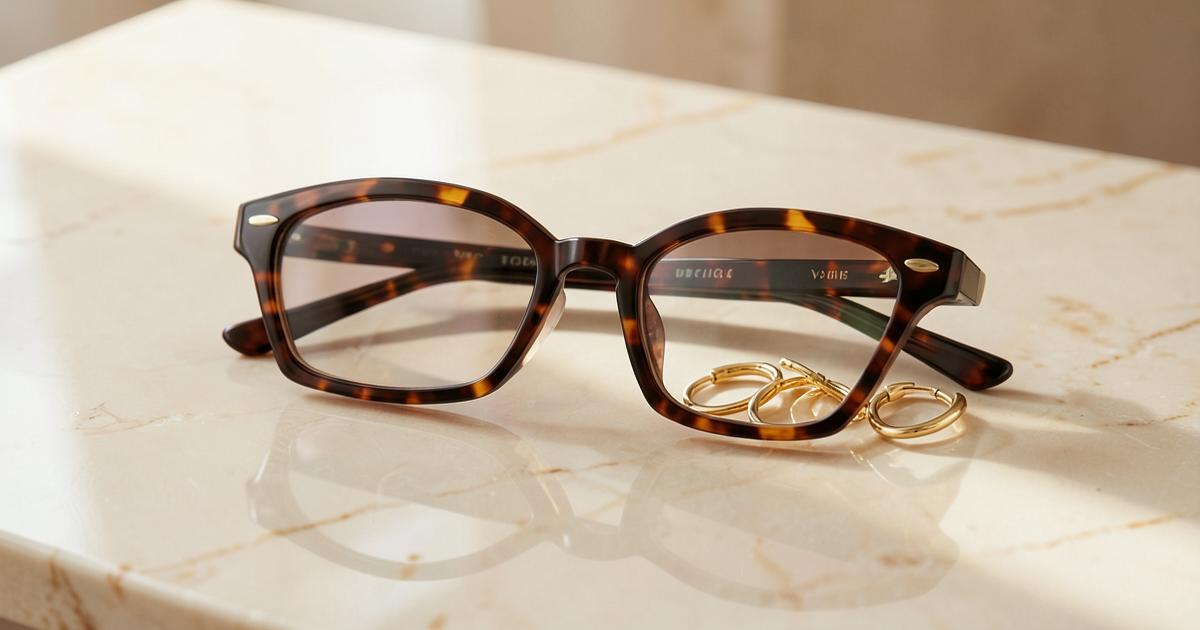
Selecting sunglasses and optical frames is another key aspect of styling. Frames that are wider at the bottom or classic aviator silhouettes perfectly offset a broader forehead. Rimless glasses or light, neutral frames are also brilliant options because they do not overload the top half of your face.
Earrings and Necklines: Building Width at the Jaw
When dressing, your neckline plays a surprisingly large part in facial perception. Open necklines like soft V-necks, scoop, square or boat necklines visually lengthen the neck and open up the chest, diminishing the prominence of a wide forehead and creating an elongated, elegant silhouette.
Top tip: When pulling your hair back into a high ponytail or bun, always pull out a few soft, wispy tendrils around your ears and jaw. These face-framing strands seamlessly bridge the gap between a wide forehead and a slim chin.
Frequently asked questions
How can I be sure I have a heart-shaped face?
Measure the width of your forehead, cheekbones and jawline. If your forehead and cheekbones are noticeably wider than your jaw, and your face tapers down gracefully to a narrow or pointed chin (often with a widow's peak hairline), you have a heart-shaped face.
Which haircut best suits a wide forehead and narrow chin?
A collarbone-grazing lob or chin-length bob with soft waves and a curtain fringe offers the best balance, softening the temples while adding volume around the jawline.
Do short haircuts like pixie cuts suit a heart-shaped face?
Yes, a pixie cut can look gorgeous provided it features textured layers and soft side pieces around the ears to soften your contours, rather than heavy volume right on top.
Where exactly should contour and blush be applied on a heart-shaped face?
Sweep contour along the upper edges of the forehead and temples to visually narrow them, while blush should be applied to the apples of your cheeks and blended horizontally towards the ears.
Which earrings are most flattering for a heart-shaped face?
Earrings that widen towards the bottom—such as teardrop, chandelier, pyramid or inverted triangle styles—are ideal, as they add visual width to the jawline.
In closing
A heart-shaped face possesses innate grace and striking sculptural beauty. With layered haircuts, strategic makeup application and jewellery that adds soft fullness around the jawline, achieving visual harmony is effortless. Remember that beauty recommendations are meant to inspire, not restrict. Celebrate your unique features and enjoy bringing out the absolute best in your natural shape.
Related reading
Bangs by Face Shape
Bangs change facial proportion the fastest — and are the hardest to grow out. That's why they should be chosen by face length, not trend.
How to contour your face by shape: a practical guide
Contouring isn't about drawing lines, it's about moving light. Once you know where your face needs shadow, two or three strokes are enough.
Earrings for your face shape: which ones will suit you best?
Earrings do the same thing as glasses: they add a line to the face. The only question is which line your face needs.
Main guides