Makeup
Highlighter by Undertone: How to Choose Between Champagne, Gold, and Rose Glow
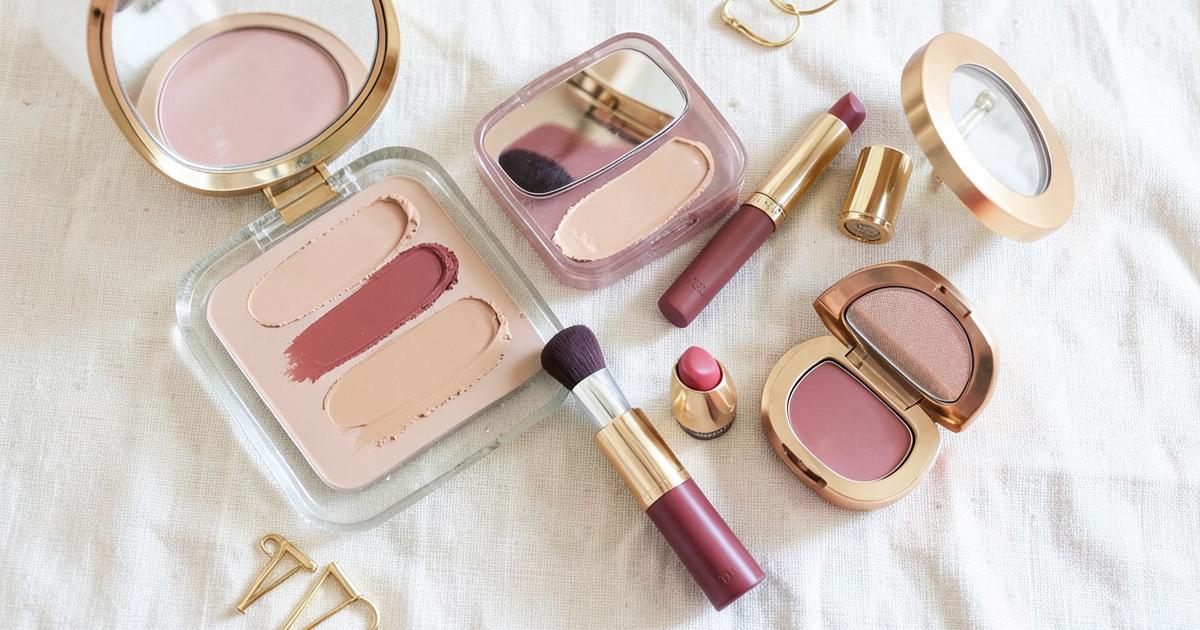
When chosen correctly, a highlighter doesn't look like an obvious layer of makeup sitting on your cheekbones, but rather like a radiant veil of hydration emanating naturally from within. Get the shade and texture right, and your facial structure is subtly sculpted, your cheekbones lifted, and your complexion left looking effortlessly rested and luminous. However, selecting the ideal highlighter often presents a challenge: an ill-fitting sheen can leave chalky grey casts, accentuate enlarged pores, or create harsh stripes of colour that disrupt your makeup. To ensure your skin radiates sophisticated luminosity without an artificial effect, matching your illuminator’s micro-pigments to your skin undertone is essential. In this guide, you’ll discover how to identify your ideal shade — whether crisp champagne, warm gold, or soft pearlescent rose — and select the perfect formula for your skin type.
When shopping for a highlighter, most people only look at how bright the shade appears or how intensely it sparkles under high-street lighting. However, the surface depth of your complexion — whether fair, medium, or deep — is only half the equation. Your skin undertone, which lies beneath the surface pigment and can be warm, cool, or neutral, is the ultimate factor determining how light reflects off your face.
Why the Wrong Highlighter Shade Looks Grey or Chalky
When you apply a highlighter with a frosty, icy silver base onto skin with a warm, golden undertone, a visual clash occurs. The pigments fail to blend with your natural skin tone, creating an ashy, greyish veil that looks like a chalky stripe in profile. Conversely, applying rich yellow gold onto a very cool complexion won't yield a subtle glow; instead, it leaves a distinct yellow mark that appears unnatural and disconnected from the rest of your makeup.
A truly radiant complexion relies on harmony between illuminator micro-pigments and your underlying skin tones. A well-chosen highlighter should look virtually invisible in terms of texture, leaving only the impression of light catching your high points as you move. To ensure a flawless base, consult our detailed guide to determining skin undertone to pinpoint your exact shade family.
Cool Undertones: Pearlescent, Rose, and Icy Champagne Shades
If your skin has rosy, pink, or bluish undertones, your complexion naturally responds best to cool, crystalline, and pearlescent reflections. The goal of a highlighter for cool undertones is to enhance clear, fresh luminosity without adding heavy yellow tones that might make the face look tired or dull.
Shades that deliver the most flattering finish include icy rose, pearly white, and cool champagne with a silvery sheen. Soft rose-pearl tones are superb for everyday wear, adding a youthful, dew-kissed flush. Applied to the high points of the cheekbones, they blend seamlessly into blush for an instant visual lift.
For day-to-day wear at the office or running errands, choose subtle champagne tones free from coarse glitter. This creates a sophisticated 'glass skin' effect without altering your skin's natural tone. Steer clear of rich coppery or heavy golden shades, as these can resemble poorly blended bronzer on cool skin.
Warm Undertones: Gold, Bronze, and Warm Champagne Tones
Skin with golden, yellow, or olive undertones possesses inherent warmth. Highlighters for this skin type should feature rich, sun-lit pigments that accentuate that natural richness and dimension.
Shades of true gold, warm honey, soft peach, and gentle bronze melt seamlessly into warm undertones. Peachy champagne is an excellent choice for a natural daytime makeup look, striking a refined balance between golden warmth and neutral brightness.
During the summer months or for evening occasions, warm undertones look striking accented with deeper bronze or golden-copper highlighters that complement sun-kissed skin. The golden rule for warm skin is avoiding stark icy whites and cool silvers — on warm complexions, these appear unnatural and leave harsh white streaks.
Neutral Undertones: Versatile Balance and Flexibility
If you have a neutral undertone, your skin features a harmonious mix of warm and cool notes. This balance offers wonderful versatility when selecting makeup, allowing you to wear a broad spectrum of highlighter shades — from soft gold to romantic rose pearl.
Failsafe shades for neutral undertones include pale hazelnut, soft peach, and balanced champagne that tilts neither too yellow nor too pink. These finely tuned pigments respect your skin's natural balance, allowing you to alter your look depending on the season or your mood.
When selecting a highlighter for neutral skin, consider your overall makeup palette. If you're wearing cool pink lipstick and blush, choose a pearlescent highlighter. If your makeup features warm terracotta or coral hues, a warm golden sheen is the natural companion. For more tips on balancing your overall makeup look, read our guide on choosing the right lipstick shade.
Highlighter Textures: Cream, Liquid, or Powder Formulas
Finding the right shade is only half the battle — texture determines how your highlighter performs throughout the day. Even the most accurate match can look heavy if the formula doesn't suit your skin type.
Liquid and cream highlighters create the most authentic 'lit-from-within' glow. They glide effortlessly over cream bases and are ideal for dry, dehydrated, or mature skin, as they won't settle into fine lines or cling to dry patches. Powder highlighters offer greater intensity and longevity, making them better suited to combination and oily skin types that naturally produce more sebum.
Always check the size of the shimmer particles. Ultra-fine micro-pigments create a polished, wet-look finish, whereas large glitter particles accentuate uneven skin texture and enlarged pores.
Liquid highlighters can easily be mixed with your foundation or daily moisturizer for an ethereal, all-over glow. To ensure your entire base looks seamless, explore our guide on matching your foundation to your undertone.
Application Techniques: Where to Place Highlight for a Natural Lift
- Tops of the cheekbones: The key placement point to visually lift facial contours and accentuate your bone structure.
- Inner corners of the eyes: Opens up the eye area, instantly making you look more awake and refreshed.
- Cupid's bow: A subtle dab right above the top lip creates the illusion of fuller, defined lips.
- Brow bone: Lightly dusting beneath the arch subtly defines the brows and opens up the eyelid area.
If you have open pores, blemishes, or noticeable texture on certain areas of your face, avoid placing highlighter directly over them. Reflective particles act like a magnifying glass on skin irregularities.
Finally, flawless execution comes down to seamless blending. Use a soft brush or a damp beauty sponge to diffuse the edges of your highlight. There should never be a harsh line showing where your highlight begins or ends.
Frequently asked questions
How do I know whether gold or silver highlighter suits me better?
Check the veins on the inside of your wrists and consider which jewellery flatters you most. If silver brightens your skin and your veins look blue or purple, a silver or pearlescent rose highlighter is ideal. If gold looks far more flattering and your veins appear greenish, a golden highlighter will look seamless on your skin.
Which highlighter suits extremely fair skin with a cool undertone?
For very fair skin with cool undertones, pale champagne shades with icy-pink or subtle silver reflections are best. Avoid deeper golden or bronze tones, as they can look like dark or muddy patches on a porcelain complexion.
Why does my highlighter accentuate texture and pores on my cheekbones?
This usually happens when a highlighter contains coarse glitter particles or when a powder formula is applied to dehydrated skin. Choose liquid or cream formulas with refined micro-pigments that melt into the skin rather than sitting on top of texture.
Can I wear golden highlighter if I have a cool skin undertone?
Yes, but opt for an ultra-fair shade of 'white gold' or a crisp champagne with a soft neutral shimmer. Traditional rich yellow or coppery gold can leave an unflattering greyish or yellowish cast on cool skin.
In closing
The right highlighter is the ultimate finishing touch that adds sophistication, vitality, and a natural radiance to your makeup. By harmonising your highlighter shade with your skin undertone and selecting a texture tailored to your skin type, your complexion will always look fresh, lifted, and luminous. Experiment thoughtfully and prioritise seamless blending to let your natural beauty shine through.
Related reading
Main guides