Makeup
How to choose foundation according to your skin's undertone
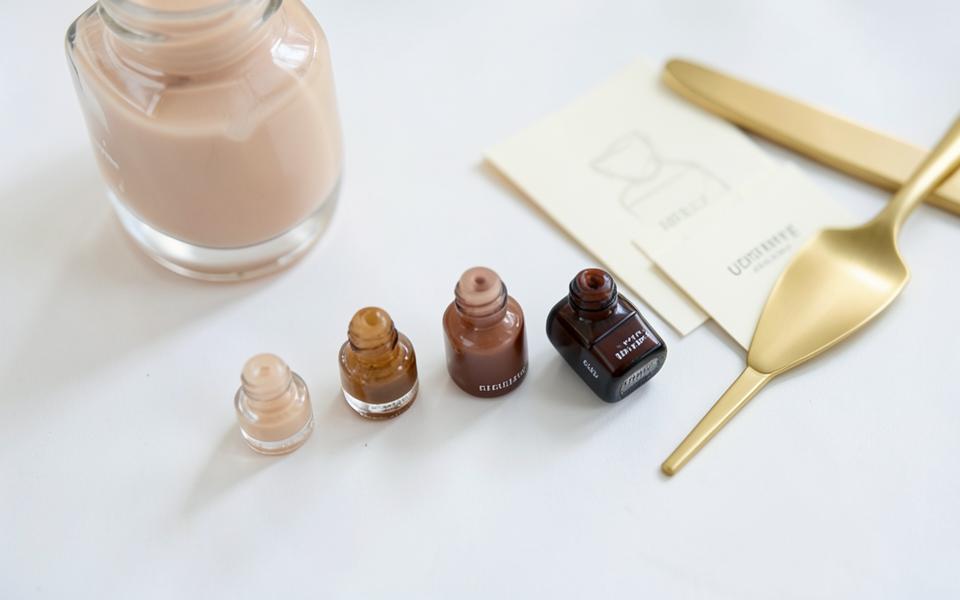
A foundation that "doesn't sit right" is almost never too light or too dark — it's almost always the wrong undertone. That's why you first solve the warm-cool question, and only then the depth of the shade.
Undertone is not the same as skin depth
Depth is how light or dark the skin is. Undertone is the tone beneath the surface: warm (golden, peachy), cool (pink, bluish) or neutral. Two women with the same depth may need two completely different foundations.
Three at-home tests for undertone
- Veins: greenish — warm undertone; blue-purple — cool; a mix of both — neutral.
- Jewellery: gold "lifts" warm tones, silver lifts cool ones. Compare them against your face, without makeup.
- White vs. cream top: if pure white looks harsh but cream feels flattering, you're probably warm; the opposite points to a cool undertone.
Where to test the shade
Not on your hand. Test it on the jawline and neck, since the neck doesn't get as much sun exposure as the face. Apply three candidates side by side, wait 10 minutes (for oxidation), and check yourself by a window, with no artificial light.
How to read manufacturer labels
- W / warm / golden / honey / sand — warm undertone.
- C / cool / rose / porcelain — cool undertone.
- N / neutral / beige — neutral, a good compromise if you fluctuate between the two.
Numbers increase with depth, but they aren't comparable across brands. Shade 2N from one brand might be 3N from another.
Seasonal difference
Skin deepens by half a shade to a full shade in summer. A practical solution is one foundation for summer depth and one for winter depth of the same undertone, or a lighter foundation plus a few drops of a darker product to mix in.
If the result looks orange or grey
That's a classic sign of a mismatched undertone, not shade depth. You'll find a detailed explanation and fixes in the article why does my foundation look orange or grey, and for online shopping, how to guess your foundation shade online can help.
The same undertone that determines your foundation also determines your lipstick shades, blush and the colours in your wardrobe — which is why it's worth pinning it down properly, once and for all.
Frequently asked questions
Should foundation be chosen lighter than your skin tone?
No. Foundation should blend into your neck. A lighter tone is only used sparingly, as a highlighter in the centre of the face.
What if I'm between two shades?
Take the lighter one and deepen it with bronzer or a few drops of a darker foundation. A too-dark shade is much harder to correct.
How long does oxidation take?
Usually 5–15 minutes. That's why a swatch looks perfect in the store but completely different at home half an hour later.
In closing
The order is always the same: undertone, then depth, then formula. Once you know you're warm, cool or neutral, your options at the drugstore narrow down to a handful of products — and foundation stops being a lottery.
Related reading
How to guess your foundation shade online without a miss
Buying foundation online isn't a gamble if you have a reference shade and know how to read manufacturer labels.
Why does my foundation look orange or grey?
Orange and grey are two opposite symptoms of the same mistake: your foundation and your skin aren't in the same undertone.
Blush for your face shape: where to apply it correctly
Blush is the fastest tool for correcting proportions — as long as it goes in the right place, and not always on the "middle of the cheek".
Main guides