Makeup
Why does my foundation look orange or grey?
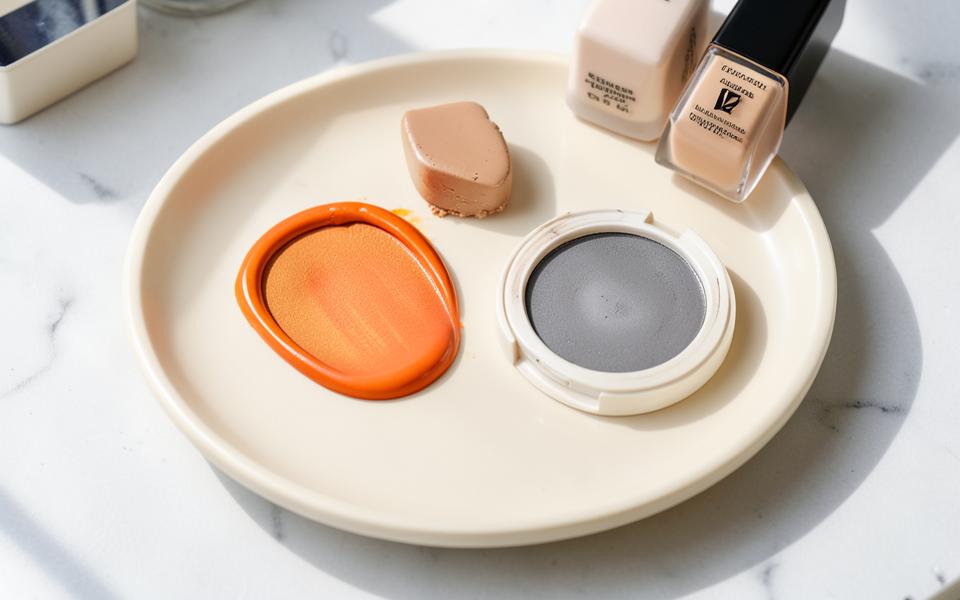
If your foundation looks orange after an hour, or your face looks grey and "washed out", the cause is almost always one of five things — and each one has a clear fix.
1. A too-warm foundation on cool skin = orange
The most common cause. A golden or peachy undertone on pink skin looks like a mask. The fix is a shade labelled C/cool/rose or neutral. How to determine your undertone is covered in foundation according to skin undertone.
2. A too-cool foundation on warm skin = grey
A pink undertone on golden skin gives an ashy, "unwell" effect. Look for labels W/warm/golden/honey.
3. Oxidation
Some foundations darken 15–30 minutes after application through contact with oxygen and sebum. If the shade is perfect at first but turns orange later, that's oxidation at work. A sebum-regulating primer, a thinner layer, and a foundation half a shade lighter all help.
4. Skincare and SPF underneath makeup
Mineral SPF (zinc, titanium dioxide) can leave a whitish cast and result in a greyish look, while rich oil-based creams can "eat" the foundation and emphasise warmth. The fix: let your skincare absorb for 5–10 minutes and use lighter formulas underneath your foundation.
5. The lighting you apply makeup in
Warm artificial light hides orange, cool LED light amplifies grey. Always check the final result by a window — that's the only light in which other people actually see you.
Quick fixes without buying new foundation
- Orange: mix your foundation with a few drops of a cooler product, or cover it with a light layer of translucent powder; add a cooler blush.
- Grey: add a drop of liquid bronzer or a warmer cream blush on the cheekbones.
- Visible line at the jaw: always blend the foundation down to the neck, don't stop at the jawline.
If you're shopping online, follow the system in how to guess your foundation shade online — a reference shade is your best protection against a mismatch.
Frequently asked questions
Does a more expensive foundation solve the problem?
No, price doesn't change undertone. More expensive lines usually offer more shades, which increases your chances of finding the right one.
Why does foundation look good on my hand but bad on my face?
The skin on your hand is darker and has a different undertone. Always test on the jawline and neck.
Can a primer change the shade of my foundation?
Colour-correcting primers (green, purple, pink) change how the tone is perceived, but they can't fix a foundation with the wrong undertone.
In closing
Orange and grey aren't solved by the amount of foundation, but by undertone, formula and light. Once you get those three aligned, the foundation stops being visible — which is exactly the goal.
Related reading
How to choose foundation according to your skin's undertone
The right foundation shade isn't a matter of luck. Once you know your undertone, the number of possible mistakes drops from dozens to two.
How to guess your foundation shade online without a miss
Buying foundation online isn't a gamble if you have a reference shade and know how to read manufacturer labels.
Blush for your face shape: where to apply it correctly
Blush is the fastest tool for correcting proportions — as long as it goes in the right place, and not always on the "middle of the cheek".
Main guides