Colour & style
Colours for Fair Skin: Which Shades to Avoid and Why
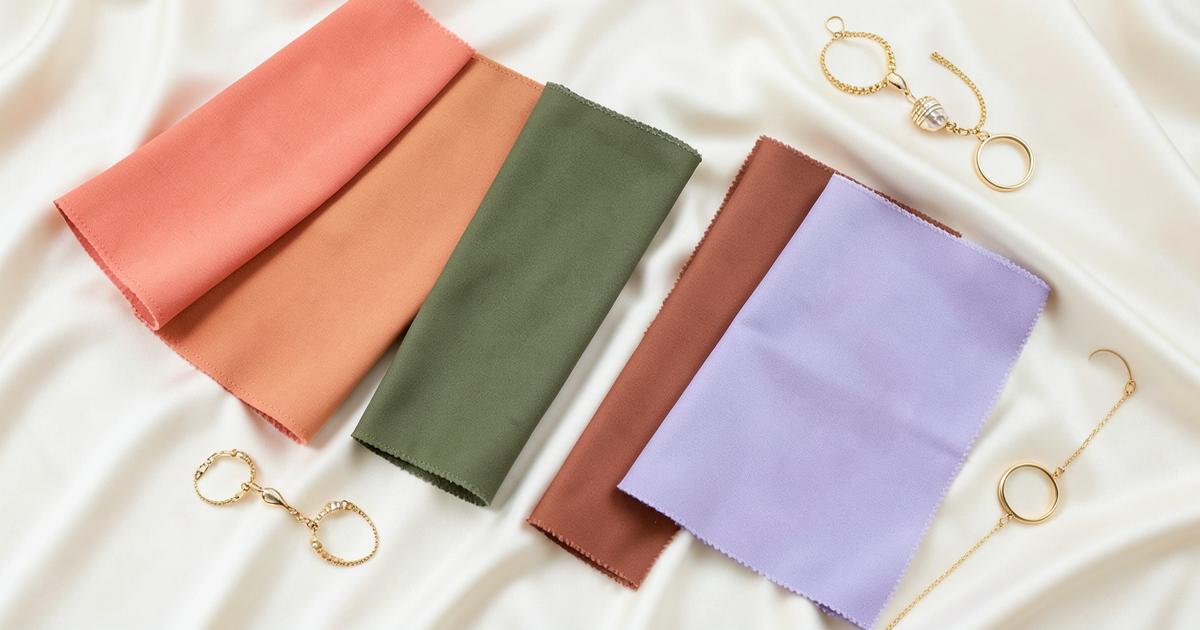
Fair skin possesses a refined, delicate charm, yet it requires thoughtful shade selection close to your face. When choosing colours for fair skin, picking the wrong clothing tone can instantly make you look washed-out and tired—even after a full night’s sleep. Understanding how shades interact with your complexion is the secret to curating a wardrobe that effortlessly flatters.
Why Certain Shades Wash Out Pale Complexions
Natural contrast on your face stems from the combination of your skin, eyes, eyebrows, and hair. If your contrast is naturally low—for example, fair hair, light eyes, and pale skin—wearing muted, chalky tones lowers that contrast even further. Conversely, if you have dark hair and fair skin, harsh or flat shades can disrupt that striking contrast.
Additionally, pale skin is particularly sensitive to unflattering undertones in fabric. Whilst tanned complexions can tolerate a broad range of hues, porcelain skin requires precision. The wrong undertone reflects light back onto your face, accentuating greyish or sallow tones and bringing out minor blemishes.
Light bouncing off clothing right beneath your chin acts like a photographer’s reflector. That makes tops, blouses, knitwear, and scarves critical for deciding whether your complexion looks fresh or fatigued throughout the day.
Nude and Beige: When Clothes Blend Into Skin
It is vital to distinguish between warm beiges with yellow or caramel undertones, and cool taupes infused with grey or lavender. If your skin has cool undertones, classic warm beige can leave you looking drawn. Cool taupes or muted beige-greys, on the other hand, provide soft structure and understated elegance.
If you wish to wear nude hues, texture and silhouette are key. Cable knits, velvet, silk, or ribbed cotton break up the light, casting delicate micro-shadows that prevent a flat look. Necklines also play a crucial role in creating visual separation.
- Avoid high roll-necks in nude tones that tightly frame the face
- Opt for lower V-necks or square necklines to expose a hint of skin and create natural separation
- Pair beige tops with silver or gold jewellery, depending on your undertone
- Select a beige shade at least two tones lighter or darker than your skin tone
Brights and Neons: The Problem With Harsh Contrast
There is a distinct difference between aggressive neons and rich jewel tones. Hues like deep emerald, sapphire blue, or ruby red carry depth and saturation without a harsh fluorescent glow. They offer rich contrast for fair skin, giving it a luminous, regal finish.
Aggressive neons also reflect light in a way that highlights redness, broken capillaries, or dark under-eye circles. Reflecting that intensity onto pale skin makes subtle imperfections far more noticeable.
Practical tip: Instead of harsh neons, choose deep, saturated shades. Swap electric neon green for a rich emerald, and bright orange for a warm terracotta or coral.
Cool Pale vs Warm Pale: How Undertones Change the Rules
On the flip side, if your skin is fair with a warm, peachy, or golden undertone, icy pastels like lilac, frosty blue, or mint green can strip the warmth right out of your face. Warm pale skin thrives in soft, sun-warmed tones that enhance your natural glow.
To effortlessly balance your outfits every time, it’s vital to determine whether you have a hladan ili topao podton. Once you know your base, choosing clothing colours becomes straightforward and foolproof.
Additionally, seasonal changes affect how your skin responds to colour. In winter, when skin is at its paler peak, you need softer contrast compared to summer, when a subtle sun-kissed warmth allows for slightly richer shades.
Black Clothes on Fair Skin: Sophisticated or Ageing?
Solid black creates dark shadows under the chin, intensifying dark circles around the eyes. Unless you're wearing full-coverage foundation, a black turtleneck can highlight fatigue that softer hues would gently disguise.
Fortunately, there are fabulous alternatives to pitch black that offer equal sophistication without the harsh contrast. Deep navy blue, rich charcoal grey, or dark espresso brown offer elegant structure while softly framing the face.
If you don't want to give up black altogether, use clever styling tricks. Wear lower necklines, add statement metallic jewellery, or drape a flattering scarf near your chin. This ensures you curate a stylish garderoba prema podtonu kože without sacrificing your personal aesthetic.
Clever Styling Tricks to Wear 'Tricky' Colours Beautifully
Another approach is smart accessorising. Silk scarves, crisp collars, or bold neckwear placed between a tricky sweater and your skin act as a visual buffer, preventing unflattering light reflections.
Makeup also plays a crucial role in balancing demanding shades. A quick dab of cream blush or a swipe of lip tint in a rosy tone restores warmth and dimension, enabling your complexion to carry a wider spectrum of shades.
Finally, layering gives you complete control. Throwing a blazer or cardigan in your perfect shade over a trickier top breaks up the visual impact and adds stylish depth. Finding this balance helps you build a truly authentic lična paleta boja.
Frequently asked questions
Can people with fair skin wear yellow?
Yes, fair skin can look stunning in yellow, provided you choose the right tone. Cool undertones should steer clear of warm mustard and opt for icy lemon or soft pastel yellow, whereas warm undertones look best in butter yellow and soft honey gold.
How do I know if black clothing suits me if I am very pale?
Look in a mirror in natural daylight without makeup while holding a black garment under your chin. If under-eye circles look more prominent and your face looks tired, solid black is creating too stark a contrast. Charcoal grey or dark navy will be much more flattering.
Can I wear beige if I have fair skin with cool undertones?
Yes, but it is best to choose cool taupe, greige, or soft ivory instead of warm, yellow-hued beige. Ensure the shade is visibly lighter or darker than your natural skin tone to avoid blending into your clothes.
Which lipstick shades should I avoid with a pale complexion?
Avoid overly dark brown-based nudes or muddy tones that match your exact skin depth, as they can leave your face looking drained. Instead, choose lip colours with soft rose, peach, coral, or berry tones.
How can I create flattering contrast without using harsh colours?
Achieve sophisticated contrast by pairing softer light shades with rich, deep hues like midnight navy, forest green, or deep berry. These colours define your silhouette beautifully without the harsh glare of bright neons.
In closing
Fair skin possesses a timeless elegance that blossoms when paired with the right clothing colours. By avoiding shades that wash you out and introducing thoughtful contrast, you can create looks that radiate health and confidence. Experiment with textures, layering, and jewellery to frame your features beautifully—your wardrobe should always work to highlight your natural luminosity.
Related reading
Wardrobe by Skin Undertone: Colours That Brighten the Face
The same top in two shades of white can make you look rested or unwell. The difference is undertone.
How to build a personal colour palette for your wardrobe and makeup
A personal palette is a list of 20–30 shades that reliably suit you. Once you have it, shopping stops being improvisation.
Main guides