Colour & style
Wardrobe by Skin Undertone: Colours That Brighten the Face
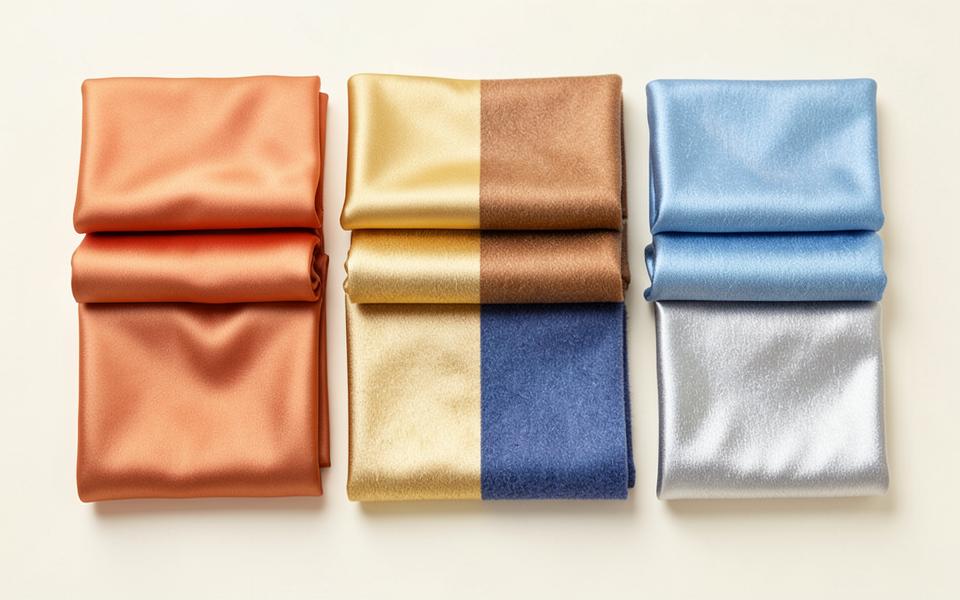
The colour of the clothing you wear near your face reflects onto your skin. When it matches your undertone, your complexion looks more even and your eyes clearer — no makeup, no filters.
How to confirm your undertone before shopping
The fastest check: stand by a window and hold a pure white and a cream fabric up to your face. If cream looks more flattering, you lean warm; if pure white looks fresh and cream looks yellowish, you lean cool. If both look neat, you're neutral. Detailed tests are in the guide which colours suit me.
Warm undertone
- Basics: cream, camel, sandy beige, chocolate, olive.
- Colours: coral, terracotta, peach, golden yellow, turquoise with a green cast.
- Metal: yellow and rose gold.
- Avoid: ice blue, pure white and cool fuchsia near the face.
Cool undertone
- Basics: pure white, grey, navy, charcoal, cool taupe.
- Colours: berry, raspberry, plum, emerald, cobalt, lavender.
- Metal: silver, white gold.
- Avoid: mustard, orange and warm beige near the face.
Neutral undertone
Most mid-tones work for you: dusty pink, sage, denim blue, soft burgundy, grey-beige. Extremes (neon orange, ice blue) are the only real limit.
Black and white: the two most common problems
Black is only powerful on high contrast; on softer, lighter types, charcoal, navy or chocolate work better. White comes in two versions — pure (cool) and "off-white" (warm) — and the wrong version is the most common reason for "I don't know why this top doesn't suit me."
Practical shopping rules
- Always check a colour against your face, not on the hanger.
- Decide in daylight, near the shop exit.
- If a colour is almost right, wear it as a bottom or a layer under a jacket.
- Shop within your palette: more combinations with fewer pieces — as in capsule wardrobe by colour palette.
The undertone that determines your wardrobe is the same one that determines your foundation and lipstick — one system, three applications.
Frequently asked questions
Does undertone depend on tan?
No. Tanning changes the depth of your complexion, not the undertone. That's why the same palette works in summer and winter, only the intensity changes.
How do I wear a trend colour that doesn't suit me?
Keep it away from the face: trousers, skirt, bag, shoes. Near the face, stick to colours from your palette.
Can makeup fix the wrong clothing colour?
Partially — blush and a warmer lipstick can bring colour back to the face, but it's simpler to change the shade of fabric near your face.
In closing
When your wardrobe colours follow your undertone, your face gets brightness without extra effort. Determine your undertone, build a list of basics and accents, and apply the rule "near the face, only from the palette."
Related reading
How to build a personal colour palette for your wardrobe and makeup
A personal palette is a list of 20–30 shades that reliably suit you. Once you have it, shopping stops being improvisation.
How to Combine Wardrobe Colours Without Mistakes
Combining colours isn't a matter of talent, but three decisions: base, accent and amount of contrast.
Capsule Wardrobe by Colour Palette
A capsule wardrobe doesn't mean fewer clothes, but clothes that combine with each other because they share the same palette.
Main guides