Colour & style
How to Combine Wardrobe Colours Without Mistakes
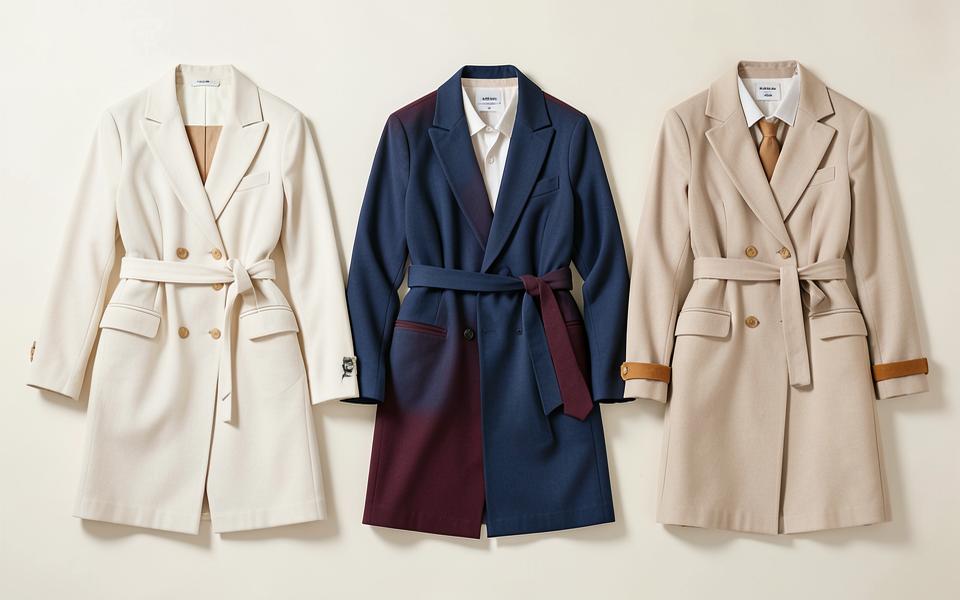
Most "failed" combinations aren't a colour problem, but a layout one: too many accents, or two colours of the same intensity competing. Once you set a base and one accent, combining becomes mechanical.
Rule 1: two neutrals + one accent
The safest formula: two neutral pieces (cream, beige, grey, navy, chocolate, white) and one accent colour from your palette. If you don't know your palette yet, start with your personal colour palette.
Rule 2: the accent goes near the face only if it's from your palette
Colour close to the face reflects onto the skin. Wear a trend shade that doesn't suit you as a bottom, bag or shoes — not as a top or scarf. Detailed shade lists by undertone are in wardrobe by skin undertone.
Rule 3: tone-on-tone always works
- The same colour in three depths: sandy beige + camel + chocolate.
- The same depth, neighbouring colours: sage + dusty blue.
- Tone-on-tone looks more expensive because there are no visual breaks.
Rule 4: match contrast to your own contrast
If your hair and skin are close in depth (soft contrast), a black-and-white combination will "wear" you. If your contrast is high (dark hair, light skin), sharp combinations work brilliantly. Soft types choose charcoal instead of black and cream instead of pure white.
Ready-made combinations for every day
- Cream shirt + beige trousers + chocolate shoes — a soft, warm tone-on-tone.
- White top + navy trousers + silver details — a cool, clean contrast.
- Grey knit + charcoal skirt + berry lipstick as an accent.
- Olive shirt + sandy trousers + gold jewellery — a warm palette without clashing colours.
If a piece doesn't go with anything in your wardrobe, it's not bad — it's just outside your palette. That's the whole problem, and the whole answer.
How not to shop wrong
Before buying, check how many pieces in your wardrobe the new item combines with. If the answer is fewer than three, it will probably stay unworn. The system that solves this is described in capsule wardrobe by colours.
Frequently asked questions
Can I wear more than one accent?
You can, but then the accents should come from the same part of your palette (e.g. two warm colours), and one should take up less visual space.
Do gold and silver go together?
They do when one metal is dominant and the other appears in a single smaller detail. Choose the dominant metal by undertone: gold for warm, silver for cool.
Does denim count as a neutral colour?
Yes, mid and dark denim behave like a neutral base and combine with almost every accent.
In closing
Set two to three neutral basics, add accents from your palette, and keep the contrast in line with your face. With these three decisions, combining stops being a daily guessing game.
Related reading
How to build a personal colour palette for your wardrobe and makeup
A personal palette is a list of 20–30 shades that reliably suit you. Once you have it, shopping stops being improvisation.
Wardrobe by Skin Undertone: Colours That Brighten the Face
The same top in two shades of white can make you look rested or unwell. The difference is undertone.
Capsule Wardrobe by Colour Palette
A capsule wardrobe doesn't mean fewer clothes, but clothes that combine with each other because they share the same palette.
Main guides