Colour & style
How to build a personal colour palette for your wardrobe and makeup
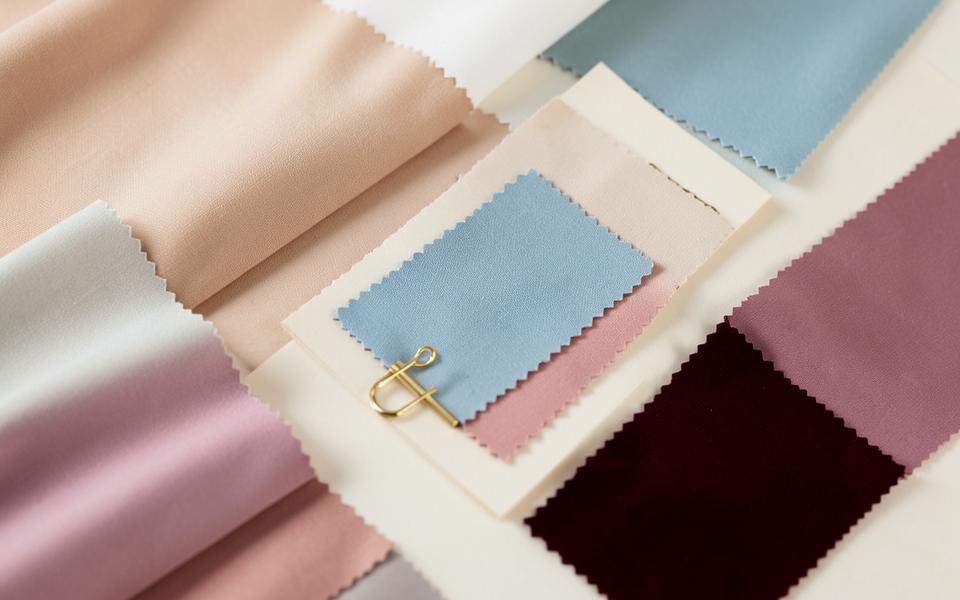
A personal palette isn't a restriction, it's a shortcut. Instead of assessing a colour in the store every single time, you have a pre-verified list that works with your skin, eyes and hair — in both your wardrobe and your makeup.
Step 1: undertone
First decide whether you're warm, cool or neutral. The vein, jewellery and white/cream fabric tests are described in the guide which colours suit me and in the article on foundation according to skin undertone.
Step 2: contrast
Compare the lightness of your hair, skin and eyes. A big difference (dark hair, light skin) means high contrast and calls for clear, strong combinations. A small difference means low contrast and calls for tonal, softer combinations. This is why black looks elegant on one person and harsh on another.
Step 3: intensity
Some colours are saturated (fuchsia, cobalt), some are dusty (sage, ashy-pink). Look at your eyes: if they're clear and intense, you can wear saturated colours; if they're soft and muted, dusty shades look more harmonious.
Step 4: the structure of the palette
- 3–4 neutral bases (e.g. cream, camel, chocolate for warm; grey, navy, pure white for cool).
- 5–8 main colours to wear near your face.
- 3–5 accents for details: a scarf, lipstick, jewellery, a bag.
- 2 metals — one primary, one secondary.
Step 5: test against your face
Test every colour right against your face, in daylight, without makeup. If your under-eye area looks darker or your complexion looks sallow — the colour isn't for your palette, no matter how lovely it looks on the rack.
How the palette works in practice
When your colours belong to one palette, almost every piece pairs with every other. That's where the idea of a capsule wardrobe by colour palette comes from, and for everyday combinations, how to combine wardrobe colours helps too.
Write your palette down on your phone, with photos of the swatches. A list in your head doesn't help under the neon lights of a store.
Frequently asked questions
Do I have to get rid of colours that aren't in my palette?
No. Keep them away from your face — as bottoms, shoes or a bag. The palette applies strictly only to the part near your face.
Does the palette change over time?
The undertone stays the same, but contrast changes with grey hair or a hair colour change, so the palette should be updated.
What if I'm neutral?
You have the most freedom: choose medium-warm and medium-cool shades, and avoid extremes (bright orange and icy blue).
In closing
A personal palette is a tool, not a rulebook. Determine your undertone, contrast and intensity, put together a list of around twenty shades, and apply it to everything you wear near your face — the result is a more rested look and far fewer failed purchases.
Related reading
Wardrobe by Skin Undertone: Colours That Brighten the Face
The same top in two shades of white can make you look rested or unwell. The difference is undertone.
Capsule Wardrobe by Colour Palette
A capsule wardrobe doesn't mean fewer clothes, but clothes that combine with each other because they share the same palette.
How to Combine Wardrobe Colours Without Mistakes
Combining colours isn't a matter of talent, but three decisions: base, accent and amount of contrast.
Main guides