Colour & style
Seasonal Colour Analysis: Do You Need It & How It Works
Have you ever bought a top in a colour you loved on the hanger, only to find it made your complexion look washed out in the mirror? Yet in another simple, understated shade, your eyes instantly light up and your skin looks radiant. That is the magic behind seasonal colour analysis — a methodology in fashion and beauty designed to help you discover the exact palette that enhances your natural beauty. In this guide, we break down how the system works in practice, its key benefits, and how to apply these insights without feeling restricted by rigid rules.
What is seasonal colour analysis and where did it originate?
The system evaluates three core visual aspects of your face: skin undertone (warm, cool, or neutral), natural hair colour, and eye colour. When assessed together, these components determine your unique level of contrast and value. For instance, someone with fair skin and dark hair has high contrast, whereas someone with similar depth across skin, hair, and eyes has low or medium contrast. To lay a solid foundation, it helps to start by learning how to determine skin undertone in natural daylight.
The main goal of a tailored analysis is finding shades that act like a subtle real-life filter. The right colours soften dark under-eye circles, smooth out slight redness, and impart a healthy glow. The wrong shades, on the other hand, can leave you looking exhausted or make the clothes wear you rather than highlighting your features. In a modern context, it gives you a clear framework to avoid buying items that look gorgeous on the rail but sit unworn in your wardrobe.
The 4-season approach vs the modern 12-season system
This led to the development of the far more precise 12-season system. This refined method examines three dimensions of every colour: hue (warm vs cool), value (light vs dark), and chroma (bright and clear vs muted and soft). Once you see how these parameters interact, building a wardrobe for skin undertone and visual contrast becomes far simpler.
Within the 12-season model, each season branches into three sub-types. Spring, for example, splits into Light, Warm, and Clear Spring. For many women, the lightbulb moment isn’t just whether they are cool or warm, but whether soft pastels or high-contrast, saturated tones give their face that coveted vitality.
Because of these nuanced variations, two people in the same broad category can look completely different in the exact same outfit. One might dazzle in vivid sunflower yellow, while the other looks far better in soft butter yellow or warm vanilla, even though both share warm undertones.
The benefits and limitations of strict colour palettes
The primary benefit is smarter shopping, saving both time and money. When you know which core shades instantly brighten your skin, you can easily bypass short-lived trends that do not suit you. Building your closet around a curated personal colour palette means everything coordinates seamlessly, taking the friction out of getting dressed.
The biggest downside occurs when analysis is treated as a set of non-negotiable rules. Fashion is a medium for self-expression, mood, and attitude. Following a palette too strictly might lead you to abandon colours you genuinely adore and feel confident wearing.
Your colour palette is an inspiring framework, not a rigid set of rules. You can always wear shades outside your ideal palette on trousers, skirts, shoes, or a favourite handbag away from your face.
Keep in mind that how colours interact with your skin subtly evolves over time. Changing your hair colour, getting a summer tan, or natural skin changes over the years can alter your contrast levels, meaning a single palette isn't necessarily set in stone forever.
When colour analysis is worth it — and when to ignore it
Conversely, if you already have a well-defined, eclectic style and love high-contrast, avant-garde pairings, traditional colour theory may not offer much value. Fashion often intentionally breaks visual harmony to create striking aesthetic statements.
It is also worth considering makeup. The right lipstick, blush in a flattering tone, or a well-matched foundation can easily bridge the gap between your natural undertone and an outfit that falls outside your ideal palette.
- It is worth it if: you prefer a streamlined wardrobe with versatile pieces and favour a fresh, low-maintenance look.
- It is worth it if: you regularly buy clothes you love on others, only to find they look dull or mismatched against your complexion.
- You can ignore it if: you choose outfits purely based on mood and do not care about traditional visual symmetry.
- You can ignore it if: you wear full makeup daily, making it easy to adapt your complexion tone to any shade of clothing.
A practical guide to testing colours at home
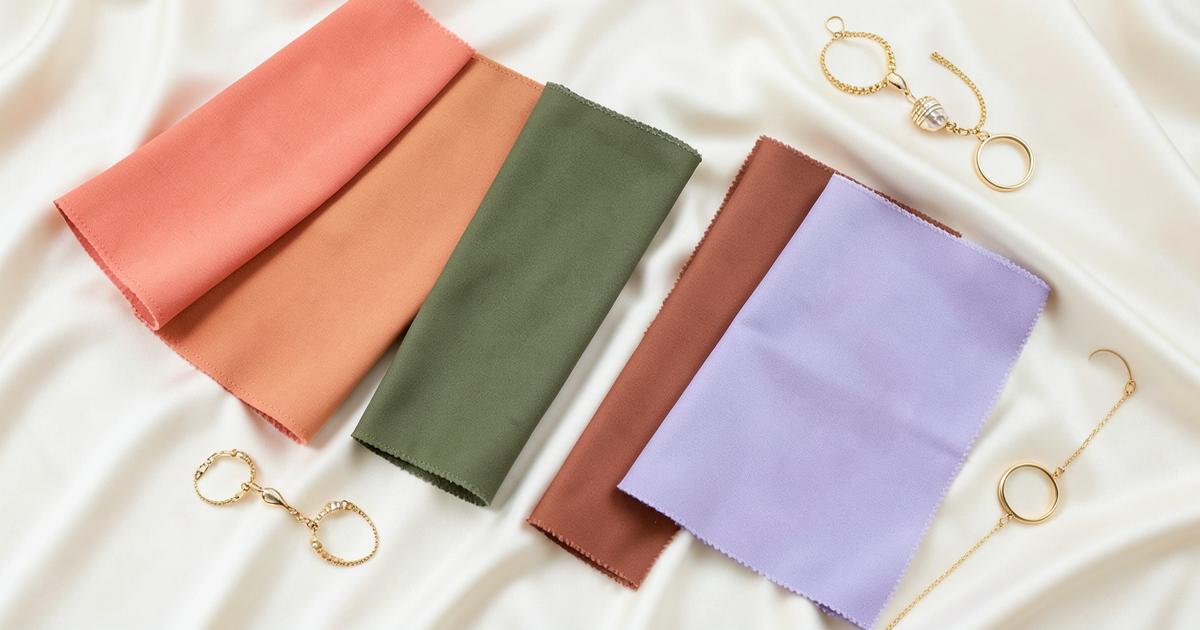
Remove all makeup, stand near a window with indirect daylight, and pull your hair back. Hold different fabric shades against your neck and chest: try crisp white versus cream, or cool icy pink versus warm coral. Notice where dark circles soften and where your complexion looks most even.
Take note of which shades give your skin a natural, healthy glow. At the end of the day, your own confidence and comfort remain the ultimate guide for choosing colours to wear close to your face.
Frequently asked questions
Does my seasonal colour palette change if I dye my hair or get a tan?
Your underlying skin undertone remains constant, but a tan or a new hair colour shifts your visual contrast and primary characteristics. As a result, certain shades that were not as striking before might look gorgeous on you during summer or after a hair refresh.
What is the difference between a warm undertone and a warm season in colour analysis?
A warm undertone refers specifically to golden or yellow pigments in your skin. A warm season (like Spring or Autumn) is a broader concept that encompasses your entire look — including eye colour, hair, and overall skin depth.
Do I have to get rid of clothes that aren't in my palette?
Not at all. You can wear non-palette colours away from your face (like trousers, skirts, or shoes) or soften their visual impact with scarves, jewellery, and complementary makeup tones.
Is a digital AI colour analysis as accurate as an in-person session?
Digital analysis provides fast, accurate, and highly practical results provided your photo is taken in clear natural light without makeup, whereas in-person consultations offer a tactile experience with physical fabrics.
In closing
Seasonal colour analysis is a valuable tool meant to inspire and guide you, not limit your personal style. Understanding your natural tones gives you the confidence to choose clothes that make you look and feel your best. The ultimate style rule never changes: the most flattering colour is always the one you wear with confidence.
Related reading
How to build a personal colour palette for your wardrobe and makeup
A personal palette is a list of 20–30 shades that reliably suit you. Once you have it, shopping stops being improvisation.
Wardrobe by Skin Undertone: Colours That Brighten the Face
The same top in two shades of white can make you look rested or unwell. The difference is undertone.
Main guides