Makeup
Which Lipstick Suits Me: How to Choose the Perfect Shade for Your Undertone and Lip Shape
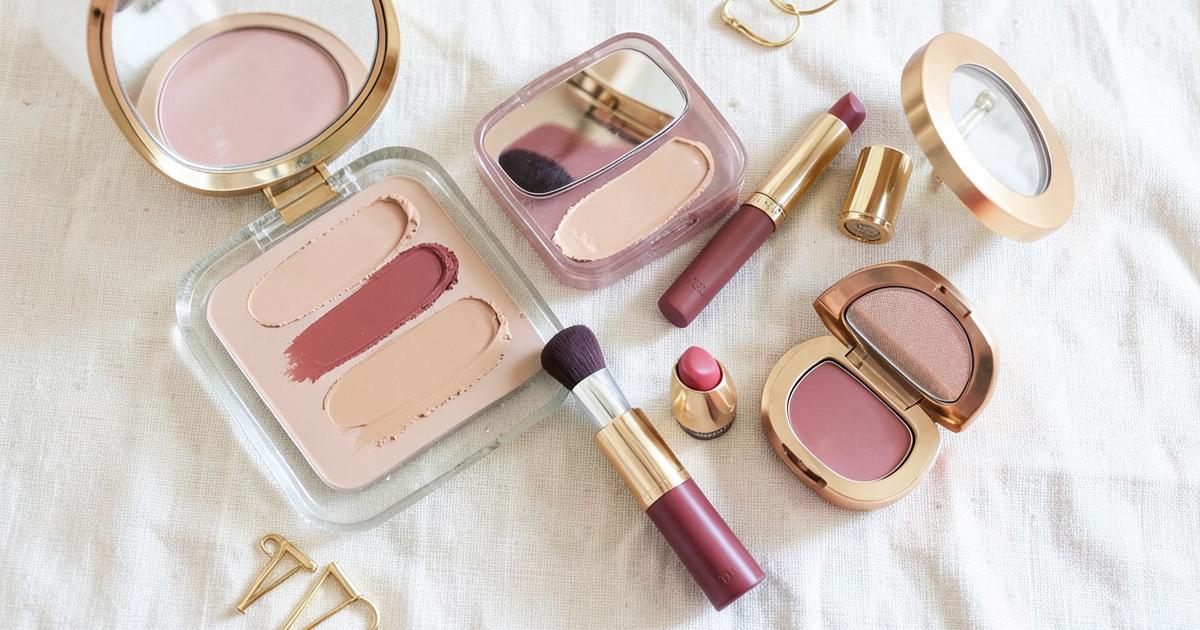
We’ve all been there: a lipstick shade that looks utter perfection on a friend suddenly feels washed out, overly dark, or simply unnatural on your own lips. When asking yourself which lipstick suits me, the answer doesn't lie in fleeting social media trends, but rather in the subtle science of colour theory. Your ideal lipstick is a harmonious match for your skin undertone, your natural lip pigmentation, and overall facial contrast. Once you master these simple rules, choosing the right shade becomes quick, effortless, and entirely foolproof.
How Your Skin Undertone Dictates Your Flattering Shades
Your skin's undertone is the subtle, invisible base that dictates how pigmented lip colours react against your face. While your surface complexion might shift with the seasons, your undertone remains unchanged. This explains why one pink lipstick leaves you looking fresh and radiant, whilst another makes you look tired. If you aren't entirely sure of your base, we explain how to identify your skin undertone effortlessly in our dedicated guide.
Cool undertones carry pink, bluish, or reddish hues beneath the surface. They look most striking in lipsticks built on cool pigments — think raspberry, redcurrant, magenta, or blue-toned reds. Warm undertones, on the other hand, feature golden, peachy, and olive hues, pairing seamlessly with coral, warm brown, terracotta, and copper shades.
- Cool undertones: Raspberry, wild strawberry, cool pink, and blue-toned reds that bring instant luminosity to the complexion.
- Warm undertones: Coral, peach, caramel, warm coffee, and rich terracotta tones that highlight warmth.
- Neutral undertones: Balanced rosy-beiges, dusty pinks, and softly warm nudes that adapt effortlessly.
If you have a neutral undertone, your skin combines warm and cool elements in equal measure. This offers marvellous freedom to experiment with a vast palette, provided you avoid extremely icy greys or neon oranges. A helpful trick when shopping is to test lipsticks in natural daylight, as shop lighting can drastically alter your perception of a shade.
How to Find the Perfect Nude Lipstick That Doesn't Wash You Out
A nude lipstick is makeup's equivalent of an impeccably tailored white shirt — timeless, versatile, and elegant. However, the most common mistake is choosing a shade that matches your skin tone precisely. When a nude lipstick is identical to your complexion, your lips vanish, your features lose definition, and your overall look turns flat.
The golden rule: match your nude lipstick to your natural lip pigment, not your skin tone. The ideal nude is half a shade to one full shade deeper or warmer than your natural lip colour. Fair skin looks lovely in gentle peach or soft rose nudes. Medium skin wears pinkish-beiges, caramels, and dusty pinks beautifully, while deeper skin tones excel in rich warm browns and cinnamon-pinks.
Texture also plays a pivotal role in the final look. A flat matte nude can look dry and unnatural unless lips are flawlessly prepped. Creamy, satin, or subtly glossy formulas reflect light naturally, giving lips a healthy, plumped appearance throughout the day.
Red Lipstick for Every Undertone: From Classic to Deep Cherry
Many women fall into the trap of believing red lipstick simply doesn't suit them. In truth, every woman has her perfect red — the secret lies entirely in choosing the right base. A red lip has the undeniable power to elevate your entire look instantly, delivering refined elegance and a quick boost of confidence.
For cool undertones, a classic 'Hollywood' red with a blue base is matchless. Beyond looking wonderfully polished, blue-based reds create a brilliant optical effect — making your teeth appear noticeably whiter and brighter. Warm corals and tomato reds belong to warm undertones, enhancing a sun-kissed glow and golden flecks in the eyes.
Bordeaux, deep plum, and dark cherry shades bring drama and sophistication. These deeper tones are effortless for evening engagements or autumn and winter months. If you are new to red lipstick and prefer a softer effect, dab a small amount of lipstick onto your lips with a fingertip over a balm rather than applying directly from the bullet. This creates a subtle, stained effect that lasts for hours.
Lip Shape and Volume: Which Finish Works Best for You?
Beyond shade selection, your lip shape and natural fullness play a key role in picking the right lipstick texture. Different finishes — from ultra-matte to high-shine — can visually alter your lip proportions, lending a new dimension to your smile.
If you have naturally thinner lips, matte lipsticks can absorb light and accentuate borders, making lips appear slightly smaller. Glossy, satin, and creamy textures are your best friends as they reflect light. A touch of gloss applied to the very centre of the lower lip creates an optical illusion of plumper lips. Conversely, fuller lips look stunning with matte and satin formulas that offer crisp definition while keeping pigment intensity beautifully controlled.
Pro-tip for subtle definition: Always outline your lips with a lip liner that matches your lipstick precisely or is half a shade deeper. Blending the edge gently prevents bleeding into fine lines and keeps your lip look crisp all day long.
Take care with extremely dark matte formulas if you wish to maintain a youthful, fresh appearance. Deep matte shades can highlight texture and fine lines, whereas creamy formulas create soft transitions that look radiant and natural on every occasion.
Facial Contrast: Finding the Right Lipstick Intensity
Have you ever noticed how a swipe of bright lipstick instantly lights up one person's face, whilst on another it feels overpowering? The secret lies in your facial contrast — the relationship between your hair, eyes, and skin tone. Understanding this harmony simplifies your everyday makeup routines, with extra guidance provided by exploring your seasonal colour palette.
High contrast (for instance, dark hair paired with fair skin, or striking light eyes with dark hair) handles vivid, saturated lipsticks effortlessly. Intense reds, deep berry shades, and bold fuchsias look natural and balanced on high-contrast features because they match the face's natural intensity.
Low contrast (fair skin, light eyes, and blonde hair, or uniform medium tones without stark shifts) benefits from softer, muted, harmonised shades. An overly intense lipstick on a low-contrast face can overshadow your features, making dusty pinks, peachy tones, and soft nudes the foolproof choice here.
Common Mistakes When Choosing and Applying Lipstick
One of the most frequent errors is swatching shades on the back of your hand or fingertips. The natural skin tone on your hands differs considerably from your lips, so the lipstick will never look the same on your mouth as it does on your hand. If you frequently shop for beauty online, learn how AI analysis for online beauty shopping helps you find the exact right shade without the trial and error.
Another common oversight is skipping lip prep. Dryness and flakiness prevent pigments from applying evenly, which is especially noticeable with matte formulas. A gentle lip scrub once a week followed by a hydrating balm ensures a flawless, long-lasting finish.
Finally, avoid overly harsh, dark lip liners paired with significantly lighter lipsticks, unless you are deliberately creating a specific editorial look. Soft, seamless transitions are easily achieved by gently blending your lip pencil inwards with a lip brush before applying your lipstick.
Frequently asked questions
How do I know if red lipstick suits me?
Red lipstick flatters everyone, provided it matches your skin's undertone. Cool undertones look divine in blue-based reds (like berry or cherry), whilst warm undertones shine in coral and tomato reds.
What is the best nude lipstick for fair skin?
For fair skin tones, the best nude lipsticks feature soft pink or peach undertones that are half a shade darker than your natural lip colour to prevent a washed-out look.
Does matte lipstick make lips look smaller?
Yes, matte lipsticks absorb light and can visually shrink thinner lips. If you want to create volume, opt for creamy or glossy finishes that reflect light.
Why does the same lipstick look different on me than on my friend?
A lipstick's appearance depends on your natural lip pigmentation, skin undertone, and overall contrast. The same bullet creates a unique shade on every individual.
How do I choose a lipstick if I have a neutral undertone?
A neutral undertone gives you the most versatility. Both warm and cool tones suit you, with balanced rosy-beiges, dusty pinks, and soft nudes looking particularly effortless.
In closing
Finding your perfect lipstick shade is no longer a secret reserved for professional makeup artists. Once you understand your skin undertone, natural lip colour, and contrast, selecting flattering shades becomes second nature. Whether you prefer an understated nude or a statement red lip, the ultimate goal is feeling comfortable and utterly confident. Enjoy experimenting and discover the shades that tell your unique beauty story.
Related reading
How AI Analysis Helps With Buying Makeup Online
Online makeup shopping most often goes wrong for one reason: you buy based on the product photo, not on your own palette.
How to build a personal colour palette for your wardrobe and makeup
A personal palette is a list of 20–30 shades that reliably suit you. Once you have it, shopping stops being improvisation.
Main guides