Makeup
Concealer for Dark Circles: How to Find Your Perfect Shade
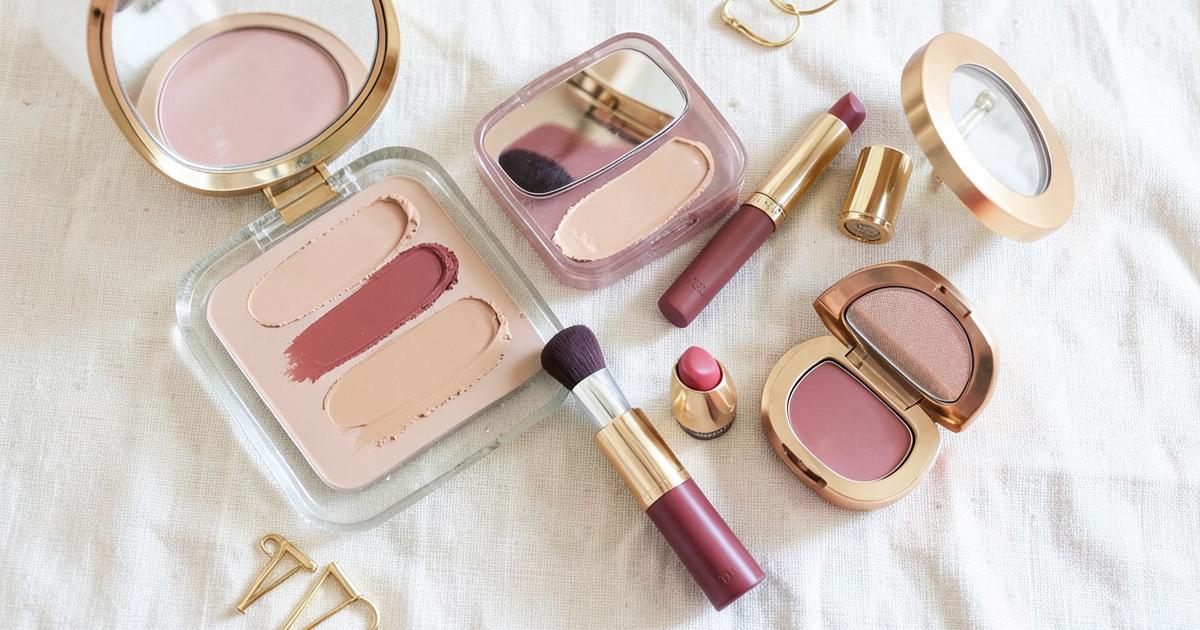
Dark circles under the eyes often leave your whole face looking tired and washed out, even when you have slept well, stayed hydrated and maintained a solid evening skincare routine. Finding the right concealer formulation and shade can feel daunting, as the delicate under-eye area often has very different undertones compared to the rest of your face. When you apply the wrong concealer shade for dark circles, instead of disappearing, those shadows turn ashy, grey, or accentuate fine lines and texture. Fortunately, once you understand the basic principles of colour theory, light reflection and your skin's unique needs, choosing your ideal under-eye concealer becomes a seamless step in your daily makeup ritual. The right formula does more than just camouflage shadow; it brightens the eyes, lifts your features and restores a fresh, rested glow. In this guide, you will learn how to identify the exact tone of your dark circles, select the complementary corrector shade, and master an application technique that lasts all day without creasing.
Understanding dark circle tones: Why not all shadows are equal
To accurately assess your under-eye tone, stand by a window in natural daylight. Raise your chin slightly and look straight into a mirror. Avoid examining your face under harsh overhead bathroom lights, as yellow or stark white bulbs distort colours and often lead to poor shade choices at the beauty counter. Under-eye circles vary significantly depending on capillary density, skin thickness, melanin distribution and eye socket anatomy. Consequently, one single concealer formula will not look identical on everyone. Blue and purple circles are usually caused by thin, delicate skin revealing tiny blood vessels and lymphatic fluid beneath. This is common in lighter skin tones, though it can affect anyone due to fatigue, stress or dehydration. Brown or yellowish shadows, on the other hand, stem from hyperpigmentation, sun exposure or genetics, making them more prevalent in warmer, olive or deeper skin tones. Finally, dark grey or hollow shadows are often structural, created by the natural contours of the tear trough and volume loss rather than surface pigment. Once you pinpoint whether your under-eye area leans blue, purple, brown or grey, you have taken the most important step. Without this clarity, you risk layering beige pigment over deep shadows rather than correcting them. Armed with this knowledge, you can select a targeted colour corrector before applying your skin-toned brightening concealer.
Colour theory in practice: How correctors neutralise dark circles
The secret to seamless coverage lies in basic colour theory. Complementary colours — those sitting opposite each other on the colour wheel — cancel each other out when layered. This is why a standard skin-toned concealer often fails over deep discoloration. Layering a pale beige directly over dark purple shadows results in a muddy grey patch because the underlying cool tones bleed through. Professional makeup artists always apply a targeted colour corrector in a sheer layer first, followed by a skin-matching concealer. Understanding undertones helps you choose the right corrective shade for your natural features. If you are shopping online, exploring how online AI makeup analysis works can help you understand digital shade matching. When selecting a colour corrector, keep these colour combinations in mind:
- Peach shades: Perfect for cancelling blue and violet shadows on fair to medium skin tones. Peach softens cool tones and brings warmth back to the eye area without looking orange.
- Coral and orange shades: Ideal for neutralizing deep brown discoloration and dark circles on olive, warm or deep skin tones. Orange pigment neutralises dark brown tones effortlessly when blended smoothly.
- Yellow shades: Excellent for counteracting strong purple, red or bruised undertones, instantly making the eyes look awake and refreshed. Yellow correctors are ideal for quick touch-ups on tired mornings.
- Pink and lavender shades: Brighten fair, porcelain skin that lacks natural vibrancy. They offer a delicate lift to pale under-eyes, though they should be used sparingly to avoid a chalky finish.
Matching skin undertones with your concealer
Beyond the colour of your dark circles, your overall skin undertone plays a vital role. If you are unsure of your undertone, review our guide on how to determine skin undertones to save time and money when shopping for complexion products. If you have cool undertones with pink or rosy hues, a concealer with heavy yellow pigments will look unnaturally orange. Conversely, if you have warm or olive skin, a pink-based concealer can cast an ashy shadow beneath the eyes. Choosing the wrong undertone often leads to unwanted colour shifts. If your base looks dull or off, read more about why foundation turns orange or grey and how to avoid it. When picking a brightening concealer to layer over your corrector, ensure it matches your liquid foundation tone seamlessly. Explore our full guide on foundation for skin undertones to harmonize your under-eye products with your base makeup. Select a concealer shade that is half a shade to at most one shade lighter than your foundation. Anything lighter creates stark contrast and draws unwanted attention to the area you want to soften. When tones are matched correctly, the transition between your under-eye area and cheeks looks completely natural.
Always check your concealer shade in natural daylight before purchasing. Store halogen lighting distorts undertones, making products look vastly different once you step outside.
Texture, formula and skin condition: Choosing the right finish
Finding the right shade is half the battle; the second half comes down to texture and formula. The under-eye area has fewer sebaceous glands and is prone to dryness and fine lines. Heavy, dry stick concealers or matte formulas can settle into texture, making the under-eye look older and more tired. Dry skin absorbs moisture from makeup, leaving pigment trapped in fine creases. For dry or mature skin, opt for hydrating liquid concealers enriched with nourishing ingredients like hyaluronic acid, glycerin, peptides or caffeine to boost microcirculation. These ingredients condition the skin while subtly reflecting light for a smooth, plump finish. For oily skin types or long-wear needs, choose a creamy liquid concealer with a satin or semi-matte finish. Regardless of skin type, prepare the eye area with a light, fast-absorbing eye cream at least five minutes before applying makeup. Pay attention to coverage level as well: buildable formulas offer the best control, allowing you to add micro-amounts only where needed while keeping the finish skin-like.
Application technique for a crease-free, long-lasting finish
Flawless application requires precision, moderation and the correct order of steps. To ensure your under-eye concealer lasts all day without settling into fine lines, follow this tested technique. You will find that you need far less product than expected to achieve a fresh, awake look. Here is a step-by-step guide to applying concealer for a seamless result:
- Prep the eye area with a lightweight eye cream and wait 3 to 5 minutes for it to absorb fully before applying makeup.
- If you have pronounced dark circles, apply a tiny dot of colour corrector (peach or coral) only to the darkest hollows and gently press with your ring finger.
- Apply your liquid foundation across the face, lightly blending over the edges of the corrector while avoiding heavy layers directly under the eye.
- Place a small dot of skin-toned concealer (half a shade lighter than your foundation) at the inner corner of the eye and another at the outer corner lifting towards the temple.
- Use a damp beauty sponge to gently bounce the product into the skin. Avoid dragging or pulling the delicate skin under the eyes.
- Set the under-eye lightly with a fine translucent setting powder using a fluffy brush or sponge tip, focusing only on areas prone to creasing.
Common mistakes that make dark circles look grey or heavy
One of the most common makeup mistakes is choosing a concealer that is two or three shades too light. While the intention is to brighten, an overly pale shade draws attention to dark circles and creates a chalky ring around the eyes. Another mistake is applying large inverted triangles of thick concealer under the entire eye, which inevitably leads to heavy creasing within hours. Skipping hydration or heavy-handed powdering can also dry out the skin, accentuating fine lines and making the under-eye look aged. Combining incompatible textures — such as applying dry powder directly over unblended rich cream concealers — can also cause patchiness and pilling. Remember: less is more. Thin layers and gentle blending are the keys to a fresh, radiant finish that stays smooth and comfortable all day long.
Frequently asked questions
Should under-eye concealer be lighter than foundation?
Concealer should be half a shade to at most one shade lighter than your liquid foundation if you want a subtle brightening effect. Overly pale shades create an unflattering white halo and accentuate skin texture and fine lines.
What does peach concealer do and who is it for?
Peach concealer is a colour corrector that neutralises blue and purple undertones beneath the eyes. It is recommended for fair to medium skin tones with dark circles caused by fatigue or delicate skin.
Why do my dark circles look grey after applying concealer?
Dark circles turn grey when you apply a light beige concealer directly over blue, brown or purple shadows without correcting the underlying tone first. Cool shadows bleed through the light base, creating an ashy cast.
Should peach concealer be worn alone or under concealer?
Peach concealer is primarily a corrector and is applied in a sheer layer underneath your regular concealer or foundation. Its role is to cancel out dark pigment rather than match your skin tone.
How do I stop concealer settling into fine lines around my eyes?
The key is thorough hydration with a quality eye cream, applying thin layers of a liquid concealer with hydrating ingredients, and setting sparingly with a fine translucent powder.
In closing
Finding the best concealer shade for dark circles is not about guesswork or trends; it comes down to understanding your undertones, colour correction and skin texture. By correcting shadows with peach or coral tones and keeping the skin hydrated, your eyes instantly look brighter and more rested. Master these simple steps for a natural, flawless finish every day.
Related reading
How to choose foundation according to your skin's undertone
The right foundation shade isn't a matter of luck. Once you know your undertone, the number of possible mistakes drops from dozens to two.
Why does my foundation look orange or grey?
Orange and grey are two opposite symptoms of the same mistake: your foundation and your skin aren't in the same undertone.
Main guides