Colour & style
Cool or Warm Undertone: Easy 3-Step Test
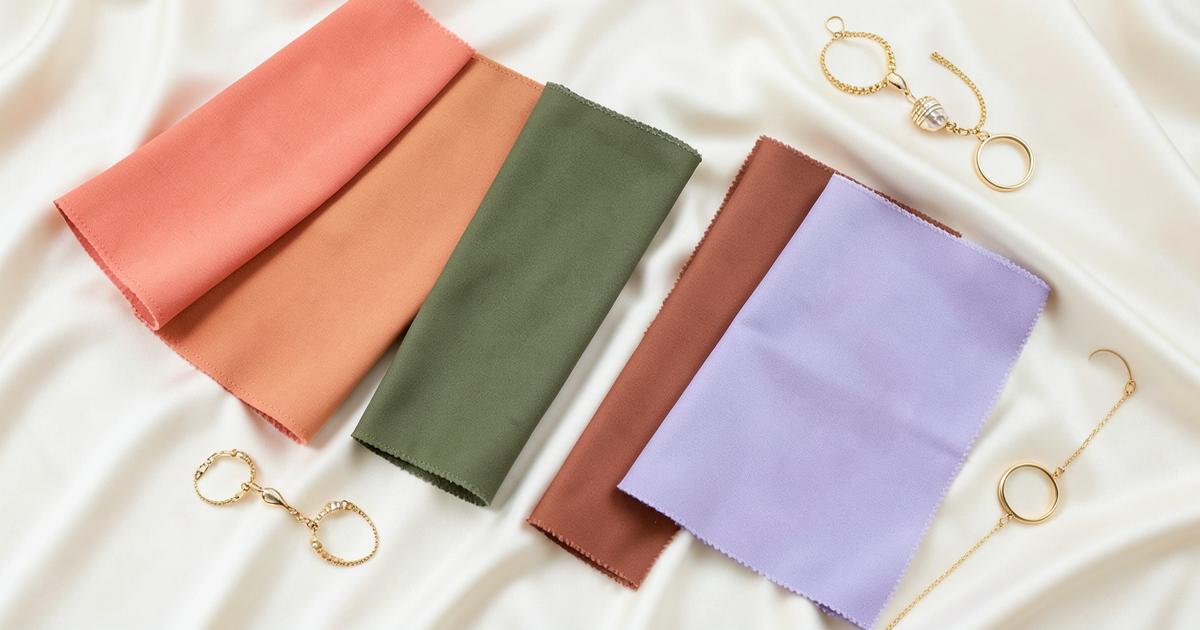
We have all put on a top in a shade that looked gorgeous on the hanger, only to find our complexion looking washed out in the mirror. The culprit is rarely the cut or your eye colour—it lies in the subtle pigment resting just beneath the surface of your skin. Whether you are wondering if you have a cool or warm undertone or are just embarking on your personal colour analysis journey, this guide provides clear, reliable answers through three quick home tests.
The difference between surface tone and skin undertone
Surface skin tone ranges from fair to medium or deep, whereas undertones always fall into three main categories: cool, warm, and neutral. Women with a cool undertone carry hints of pink, red, or bluish undertones beneath the skin. Conversely, a warm undertone is characterised by golden, peachy, and yellow notes that impart an instant visual radiance when paired with the right palette.
To test accurately, prepare your face and space properly. First, remove all makeup and wait fifteen minutes for your facial circulation to settle. Second, test exclusively in natural indirect daylight by a window, avoiding direct sunlight which can distort colour perception. Steer clear of artificial lighting, as yellow or fluorescent bulbs dramatically alter how tones appear against your skin.
If you are in a room with brightly coloured walls or curtains, the light bounce can cast unwanted tones onto your skin. It is best to perform the test against a plain white wall or a neutral background.
Step 1 – The inner wrist vein test
If your veins appear distinctly blue or purple, it is a clear indicator of a cool undertone. Your skin naturally contains more pink and bluish pigments, making cool, crisp shades look effortlessly fresh on you. If your veins look olive green or dark green, your undertone is warm. The green illusion happens when naturally blue blood vessels are viewed through skin rich in yellow and golden melanin pigments.
It is very common to see a mix of both blue and greenish veins, or to feel unsure which shade dominates. Should that be the case, do not worry—this is the telltale sign of a neutral undertone, giving you enviable flexibility when styling.
Step 2 – The jewellery test: Gold or silver
Notice which metal makes your skin look vibrant, smooth, and radiant, and which renders it sallow, tired, or overly flushed. Silver, platinum, and white gold instantly flatter a cool undertone. These metals harmonise with pink tones, conferring a rested, bright appearance without drawing attention to subtle imperfections.
Yellow gold, on the other hand, creates a gorgeous visual harmony with a warm undertone. The rich golden sheen highlights your skin's natural peachy warmth, bestowing a sun-kissed glow even in the depths of winter. If rose gold looks sublime on you, or if gold and silver look equally flattering, you have further confirmation of a neutral base.
Step 3 – The white paper test
If your skin appears distinctly pink, rosy, or slightly bluish against the stark white paper, you undoubtedly have a cool undertone. Pure white enhances your natural freshness without making you look washed out.
If your face casts a yellowish, golden, or creamy hue beside the white paper, your undertone is warm. Knowing how your skin reacts to pure white is invaluable when building a wardrobe—women with warm undertones look far more luminous in ivory, cream, or soft warm champagne than in optic white.
- Cool undertone: Your face appears pink or bluish against white paper; optic white clothing looks striking on you.
- Warm undertone: Your skin reveals a golden or creamy glow beside white paper; soft ivory and warm cream suit you far better.
- Neutral undertone: Your complexion looks balanced without pronounced yellow or pink casts against a white backdrop.
What if your undertone is neutral?
A neutral undertone is wonderfully versatile because it strikes a harmonious balance between warm and cool pigments. It does not mean every shade under the sun is equally flattering, but rather that extreme tones (like vivid fluorescent orange or icy electric blue) may feel harsh, whereas soft, muted, and nuanced shades look effortless.
When curating your look, you can effortlessly mix yellow and white metals, as well as wear chic neutral shades like blush pink, taupe, soft olive, and sandy beige without fear of looking dull.
How to apply your test results to your personal style
The first transformation occurs in your makeup bag. Knowing you have a cool undertone means seeking foundations with pink or neutral notes, whilst a warm undertone calls for golden and warm yellow undertones. To avoid the dread of a foundation line at the jawline, explore our guide on how to choose a foundation for your skin undertone. The same logic applies to lip colour—discover which lipstick suits me to ensure your lips always brighten your teeth and illuminate your skin.
The second application is your wardrobe. When selecting garments worn close to your face (jumpers, scarves, shirts), the right hues will awaken your eyes and soften dark circles. Learn how to build a capsule wardrobe for your skin undertone and experience the quiet confidence that comes with a harmonious colour palette.
Frequently asked questions
Can your skin undertone change with tanning or ageing?
No, your skin undertone remains constant throughout your life as it is determined by the underlying melanin and tissue pigments. Whilst your surface skin tone may tan or fade in summer, the deeper cool or warm pigments beneath the surface never alter.
What if both gold and silver jewellery suit me equally well?
If both yellow gold and silver complement your complexion beautifully without accentuating redness or dullness, you most likely have a neutral undertone. This offers wonderful versatility, allowing you to wear both metals, alongside rose gold and mixed metals.
Why do the veins on my wrist look both blue and green?
Having a mix of blue and green veins on your inner wrist is the classic sign of a neutral undertone. Your underlying tissue balances cool and warm pigments, so your blood vessels reflect a blend of both hues depending on the lighting.
How does artificial shop lighting affect undertone testing?
In-store lighting often has strong yellow or bluish casts that dramatically skew colour perception on your skin. This is why foundation or clothing can look flawless in the shop but completely off at home. Always test under natural daylight.
In closing
Unlocking whether your skin thrives with cool or warm undertones is the single most transformative step towards cultivating an authentic, cohesive personal style. Once you master these simple principles and test your skin at home, shopping becomes effortless. Your makeup and clothing will finally work in harmony with your natural beauty, leaving you looking radiant and feeling confident every day.
Related reading
Wardrobe by Skin Undertone: Colours That Brighten the Face
The same top in two shades of white can make you look rested or unwell. The difference is undertone.
How to choose foundation according to your skin's undertone
The right foundation shade isn't a matter of luck. Once you know your undertone, the number of possible mistakes drops from dozens to two.
Main guides