Makeup
Eyeshadow for Your Eye Colour: Practical Guide to Contrast & Radiance
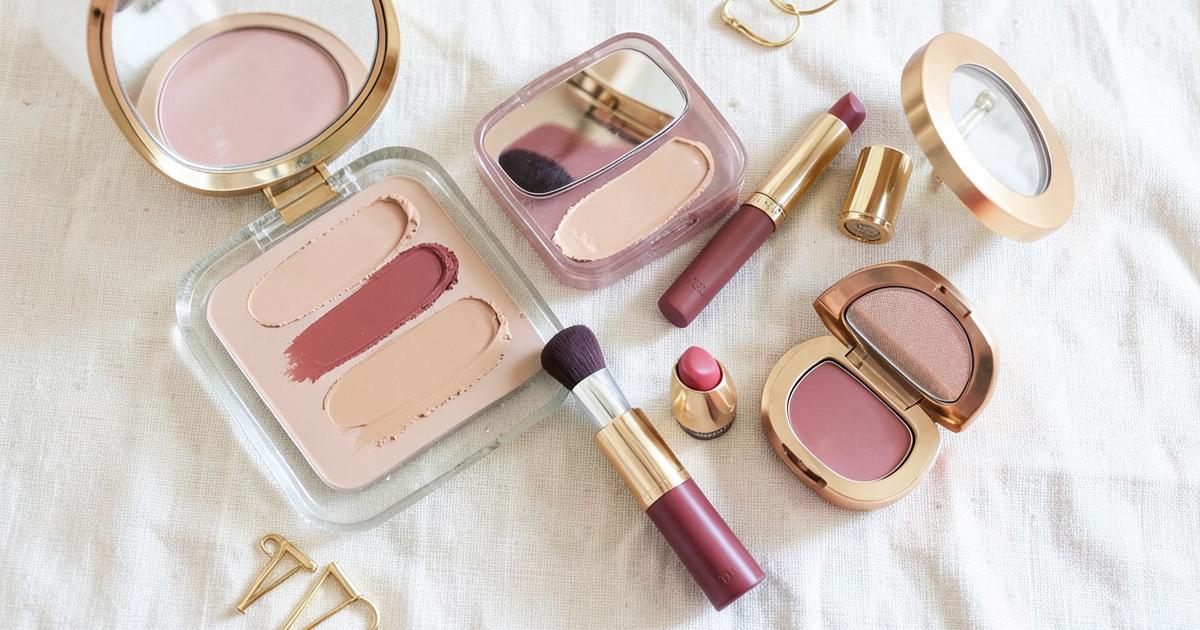
Choosing the right eyeshadow shade can instantly transform your features and brighten your look. Once you understand the basic logic of color theory, undertones, and depth, applying makeup stops being a daily guessing game and becomes an effortless art of accentuating your natural beauty. In this detailed guide, we reveal how to find the ideal eyeshadow tones for your specific eye colour, whether you are getting ready for a quick morning meeting or an elegant evening out.
Colour Theory: Why Contrast Always Wins
The most common mistake in a daily makeup routine is the matching rule. Applying blue eyeshadow to blue eyes or bright green to green eyes often causes the iris to lose its definition and blend into the background. Rather than matching your exact eye shade, your eyeshadow's main purpose should be to create a background that enhances your eye's natural pigment while adding subtle depth.
Beyond the shade of your iris, it is equally important to consider your skin's undertone. If you are unsure whether warm or cool variations suit you best, read our guide on whether you have a cool or warm undertone. When you align both your iris pigment and skin undertone, your eye makeup looks balanced, harmonious, and remarkably refined.
Finally, don't overlook the crucial role of eyeshadow finish. Matte textures are essential for building structure and subtle contour in the crease, while shimmer and satin finishes on the centre of the lid catch the light, opening up the eye and creating a fresh, rested appearance.
Best Eyeshadow for Brown Eyes: Gold, Plum & Emerald
For evening occasions when you want a touch of sophisticated drama, purple tones are your best ally. Shades of deep plum, aubergine, and burgundy create a gorgeous aesthetic contrast against brown pigment. They not only add depth to your gaze, but also visually draw out hidden golden undertones that might otherwise go unnoticed.
If you want a modern, bold look that retains an elegant edge, navy blue and deep emerald green shadows are fantastic alternatives to a classic black smoky eye. These rich hues lend mystery and intensity without the harshness that pure black can sometimes introduce to softer facial features.
- Warm bronze and gold tones for an elegant, natural daytime glow
- Plum, violet, and deep burgundy shadows to bring out golden flecks
- Navy and emerald green tones for a deep, sophisticated evening look
- Avoid overly pale, ash-grey matte shadows that can make eyes look washed out
Makeup for Blue Eyes: Copper, Bronze & Warm Shades
When you want greater intensity and evening glamour, copper, terracotta, and warm cinnamon shades are unbeatable. Because orange-based tones sit directly opposite blue on the colour wheel, these shades make your blue eyes appear significantly brighter, clearer, and more vivid.
For a subtle, polished office look, choose taupe shades—a refined blend of grey and brown with a soft, warm undertone. They structure the eyelid nicely, define the crease, and look understated in any setting.
If you love a classic smoky eye, swap stark black eyeshadow for deep rich chocolate brown. A dark chocolate shade provides all the depth and drama you need without overwhelming delicate blue eyes, maintaining perfect balance.
Green Eyes & Makeup: Burgundy, Purple & Rose Gold
Rose gold delivers a perfect balance between warm gold and soft pink light. This shade offers a gentle, glamorous sheen that suits any occasion, helping green eyes look brighter, wider, and more awake.
For everyday wear when you prefer neutral makeup, choose warm brown shades with subtle cinnamon or reddish undertones. Avoid cold, flat matte grey shadows, as they can dull the natural warmth of green pigment and leave your eye look feeling flat.
Avoid applying green eyeshadow in the exact same shade as your eyes. If you want a green look, choose a dark olive shimmer or forest green to create multidimensional depth.
Combination Irises: Hazel and Grey-Blue Eyes
To bring out the green in hazel eyes, apply eyeshadows with purple, plum, or burgundy undertones. If you prefer to highlight the warm golden and brown flecks in your iris, opt for navy, bronze, or rich dark brown shades to build depth.
Grey-blue eyes act like a mirror to your makeup and wardrobe. They can look intensely blue when paired with warm gold, peach, and copper shadows, or distinctly grey when you opt for soft taupe, slate grey, and silver finishes.
With combination irises, the key to success lies in applying a neutral transition shade in the crease. A soft matte brown or peachy transition shadow allows all the colors to blend seamlessly without harsh lines, giving the eye a naturally sculpted finish.
How to Coordinate Eyeshadow with Your Full Makeup Look
If you wear glasses, keep in mind that lenses can alter how your makeup appears and change how colours are perceived. It's helpful to adjust line precision, blending, and mascara density accordingly. Find practical tips in our guide on creating flawless makeup for glasses.
Transforming your daytime look into an evening one doesn't require starting from scratch. Simply layer a deeper bronze or plum eyeshadow into the outer corner of your lid over your neutral daytime base, then press a touch of shimmer onto the centre of the lid for instant freshness and glam.
Frequently asked questions
Which eyeshadow best suits dark brown eyes?
Dark brown eyes look stunning with rich plum, aubergine, and emerald green shades that create an elegant contrast, as well as warm bronze and gold tones for a natural daytime radiance.
Can I wear blue eyeshadow if I have blue eyes?
Yes, but it is best to avoid a shade identical to your iris. Opt for deeper navy tones or shadows with gold and copper undertones so your blue eyes don't look dull or washed out.
How do I bring out the green tones in hazel eyes?
To bring out green flecks in hazel eyes, choose burgundy, plum, rose, or soft violet shades, as these complementary tones create a visual contrast that highlights the green pigment.
Does skin undertone affect my eyeshadow choice?
Yes, your skin's undertone significantly impacts how an eyeshadow shade looks on your lids. Warm undertones pair beautifully with gold, copper, and warm brown shades, while cool undertones shine with taupe, plum, and silvery accents.
What is the best way to blend eyeshadow in the crease?
The best method is to use a fluffy blending brush and a neutral transition shade that is one or two shades deeper than your skin tone. Use gentle windshield-wiper motions until all harsh edges are softened.
In closing
Choosing eyeshadow according to your eye colour isn't a strict rule, but a fun, practical tool to get the most out of your look. By playing with complementary contrast, varied textures, and carefully chosen warm or cool tones, your eyes can achieve wonderful new depth and radiance. The most important thing is to enjoy experimenting and find combinations that make you feel confident and radiant every day.
Related reading
Main guides